
Discover Your Dream Home: Houston Homes for Sale in 2026
Houston homes for sale in 2026 sit at the intersection of strong population growth, economic diversity, and relative affordability. According to U.S. Census Bureau estimates, Houston’s population exceeds 2.3 million residents as of the mid-2020s, supporting a broad base of housing demand. From tree-lined streets near Rice University to high-rises overlooking Buffalo Bayou Park, buyers encounter options across many price points, architectural styles, and commuting patterns, all shaped by ongoing infrastructure projects and continued corporate relocations into the metro.
Why focus on Houston homes for sale in 2026?
Houston’s economic base, anchored by the Texas Medical Center, the Energy Corridor, and the Port of Houston, creates steady demand for housing across neighborhoods such as Montrose, The Heights, and Midtown Houston. According to Redfin, the Houston housing market has recently shown price growth in the mid-single-digit range annually, with typical closed-sale prices often clustering between $300,000 and $450,000. That broad middle segment supports move-up buyers, first-time purchasers, and relocating professionals seeking both urban and suburban conveniences.
Mortgage accessibility also shapes the appeal of Houston homes for sale in 2026. According to HUD, FHA loans allow minimum down payments of just 3.5% for qualified buyers, which can be especially helpful in areas such as Spring Branch, Alief, and Sharpstown where starter homes remain more attainable. Combined with Texas’s lack of a state income tax, this dynamic keeps ownership within reach for a wide range of households.
Property taxes remain a key consideration when comparing Houston neighborhoods. Based on assessments summarized by Texas Comptroller, many Harris County homeowners experience effective property tax rates between 2.0% and 2.2%. This structure can favor buyers prioritizing long-term appreciation in locations such as Bellaire, West University Place, and River Oaks, where higher land values and strong school zones support long-run stability despite higher tax bills.
Location and commute times add further context. According to Walk Score, Houston holds an overall score near 49, but walkability in areas such as Downtown Houston, East Downtown (EaDo), and the Museum District climbs substantially. Proximity to employment centers such as Greenway Plaza and the Galleria area, along with access to major corridors like Interstate 10, U.S. 59, and Loop 610, significantly influences both daily lifestyle and long-term housing value.
Which Houston neighborhoods stand out for different lifestyles in 2026?
Central neighborhoods deliver an urban feel with cultural access. Montrose, bounded by Westheimer Road and Richmond Avenue, features townhomes, historic bungalows, and mid-rise condos within minutes of the Museum of Fine Arts Houston and the Menil Collection. Nearby Midtown Houston places residents close to the METRORail Red Line, making commutes to the Texas Medical Center and Downtown manageable. According to Zillow, central Houston zip codes often reflect price-per-square-foot figures above $250, reflecting both land scarcity and amenity density.
Family-focused buyers often focus on West University Place, Bellaire, and neighborhoods surrounding Lamar High School and Bellaire High School. Tree-lined blocks near Rice Boulevard and Edloe Street showcase single-family homes, many between 2,000 and 3,000 square feet. According to GreatSchools, several nearby campuses, including River Oaks Elementary, achieve ratings in the 7 to 9 out of 10 range, which supports long-term buyer demand and often results in strong resale performance.
Late afternoon in The Heights along 19th Street brings the glow of neon shop signs flickering to life, the aroma of roasted coffee drifting from Boomtown Coffee, and faint guitar notes spilling from a corner bar. Families push strollers past restored Craftsman homes on Heights Boulevard while joggers trace the smooth concrete of the Heights Hike and Bike Trail. The combination of rustling oak leaves, distant traffic along Interstate 45, and the warm brick facades creates a distinctly historic yet lively atmosphere.
For entertainment-driven lifestyles, areas close to Minute Maid Park, Toyota Center, and Discovery Green offer high-rise and loft-style residences. East Downtown blends converted warehouses with new townhome developments along streets like Navigation Boulevard and Polk Street. According to HAR, listings in EaDo frequently cluster between $350,000 and $500,000, a range that reflects both proximity to stadiums and rapid redevelopment of formerly industrial corridors into residential and mixed-use environments.
How competitive is the Houston housing market expected to be in 2026?
Market competitiveness often shows first in days-on-market statistics and list-to-sale price ratios. According to recent data from Redfin, many central Houston neighborhoods have seen median days on market hover in the range of 30 to 40 days through early 2025. This interval signals a balanced yet active market where well-priced homes near hot spots like Washington Avenue, Allen Parkway, and Buffalo Bayou Park move efficiently without the extreme bidding wars seen in earlier years.
Inventory levels also shape buyer and seller leverage. Based on analyses by Houston Association of Realtors, months of supply in the broader Houston area has often rested between 3 and 4 months recently, suggesting conditions slightly favoring sellers but still offering choices for buyers. Submarkets such as Cinco Ranch and Memorial can tighten faster, particularly for updated homes zoned to sought-after schools like Memorial High School and Stratford High School, where demand consistently outpaces new listings.
On a clear Saturday morning in Memorial Park, the soft thud of running shoes on the loop trail blends with birdsong from towering pines as the scent of freshly cut grass drifts from nearby fairways. Cyclists hum past on smooth pavement along Memorial Drive while sunlight flashes off the glass towers of Uptown near The Galleria. Prospective buyers walking nearby side streets feel the warmth radiating from brick facades and hear distant cheers from pick-up soccer games in the open fields.
Affordability remains a critical factor in gauging competitiveness. According to Federal Reserve FRED data for the Houston-The Woodlands-Sugar Land metro, home price indices have risen steadily but remain below peaks seen in some coastal metros. In practical terms, many three-bedroom properties in suburban areas such as Katy and Fulshear still trade in the $350,000 to $550,000 range, making Houston homes for sale relatively accessible compared with similarly sized properties in cities like Austin or Dallas.
What features define desirable Houston homes for sale in 2026?
Design preferences in Houston increasingly reflect a blend of indoor comfort and resilience against Gulf Coast weather. Many buyers prioritize energy-efficient windows, elevated foundations in low-lying areas near Brays Bayou, and impact-resistant roofing. According to surveys by National Association of Home Builders, energy-efficient features can reduce utility costs by 10% or more, especially relevant in hot, humid summers. Open-concept kitchens, generous pantries, and flexible home-office spaces remain prominent on buyer wish lists throughout neighborhoods from Oak Forest to Pearland.
Outdoor living carries particular importance given Houston’s long warm season. Covered patios with ceiling fans, outdoor kitchens, and pools appear frequently in listings around Meyerland, Sienna, and Royal Oaks. According to Remodeling Magazine, well-executed outdoor projects can recoup between 55% and 70% of their cost at resale nationally, a range that aligns closely with observed premiums in amenity-rich suburban enclaves near golf courses and lakes. Proximity to recreation hubs such as Hermann Park and the Houston Zoo further enhances perceived lifestyle value.
Proximity to daily conveniences also defines desirability. Homes within a short drive of grocery anchors like H-E-B on Buffalo Speedway, Whole Foods on Kirby Drive, or the retail district surrounding The Galleria often command price premiums. According to Walk Score, the Galleria area posts scores approaching the mid-80s, reflecting dense clusters of shops, restaurants, and services that reduce daily travel times and support a more walkable urban experience than many outlying suburbs.
School zoning continues to influence searches across much of Houston ISD, Katy ISD, and Fort Bend ISD. According to GreatSchools, several campuses in Katy ISD and Fort Bend ISD receive ratings of 8 or higher out of 10, correlating with higher median sale prices in master-planned communities such as Cinco Ranch, Cross Creek Ranch, and Riverstone. Buyers often balance commute time along Interstate 10 or the Westpark Tollway against the educational advantages associated with these districts.
How can buyers strategically approach Houston homes for sale in 2026?
Financing strategy forms the foundation of any successful plan for engaging with Houston homes for sale in 2026. According to Consumer Financial Protection Bureau, conventional loans generally favor borrowers with credit scores above 740, while FHA and VA programs serve those needing more flexible thresholds. Careful comparison of fixed-rate and adjustable-rate products, alongside closing cost estimates and projected tax obligations, positions buyers to respond quickly when desirable properties appear in areas such as Garden Oaks, Westbury, or Kingwood.
Market monitoring across multiple neighborhoods provides additional leverage. According to listings data on Houston Association of Realtors, price spreads between similar homes in nearby areas can exceed $75,000 depending on school zoning, age, and renovation quality. Buyers who track trends across adjacent corridors—such as comparing Shady Acres to Greater Heights or Gulfgate to Eastwood—often spot emerging value pockets before headline statistics fully capture shifting demand.
Tour timing and offer structure significantly affect outcomes in competitive segments. Based on transaction analyses highlighted by Redfin News, offers that arrive within the first 48 hours of listing, accompanied by strong pre-approval documentation and realistic option periods, consistently perform better in multiple-offer scenarios. In Houston, this pattern is particularly noticeable for updated homes within a 20- to 30-minute rush-hour drive of Downtown via freeways such as U.S. 59, Interstate 45, and State Highway 288.
Longer-term planning matters as well. Households anticipating future shifts—such as remote work flexibility, school changes, or multigenerational living—often prioritize versatile floor plans in areas like Cypress, Sugar Land, or Missouri City. Flexible spaces over garages, first-floor guest suites, and large secondary living rooms allow adaptation as needs evolve. When combined with access to regional draws like NRG Stadium, Bayou Greenways trails, and George Bush Intercontinental Airport, these features can help sustain enjoyment and limit the need for frequent moves.
The population figure above 2.3 million cited at the start of this guide reflects both Houston’s scale and the structural demand supporting its housing market. That opening statistic underscores how employment diversity, infrastructure investment, and in-migration continue to fuel interest in Houston homes for sale across price points and neighborhoods. The Houston Association of Realtors monthly reports provide ongoing clarity about pricing trends, inventory shifts, and contract activity across submarkets. Buyers who monitor those updates and register listing alerts through local portals before the spring surge in March, then commit to touring promising properties within 24 to 48 hours of new listings, tend to secure better pricing and avoid the disappointment associated with rapidly pending homes during peak 2026 competition.
FROM OUR BLOG
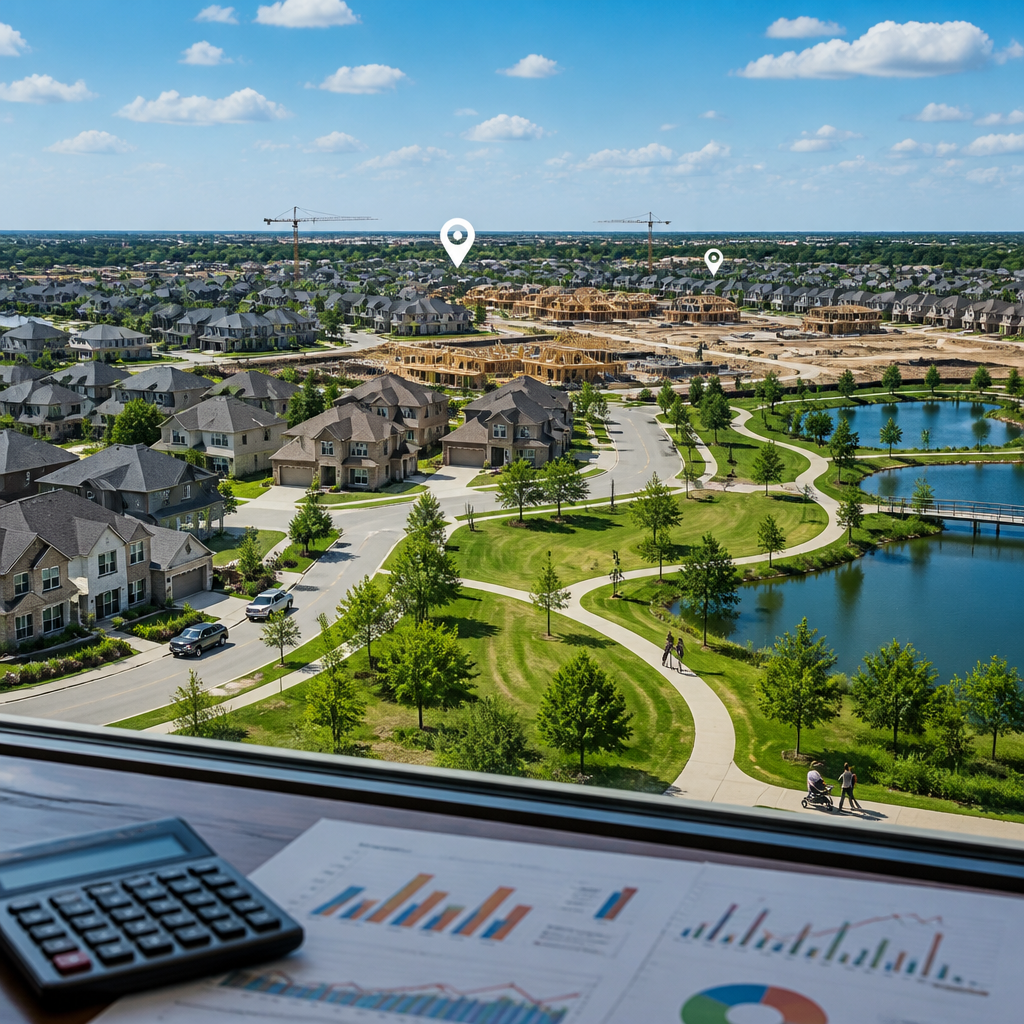
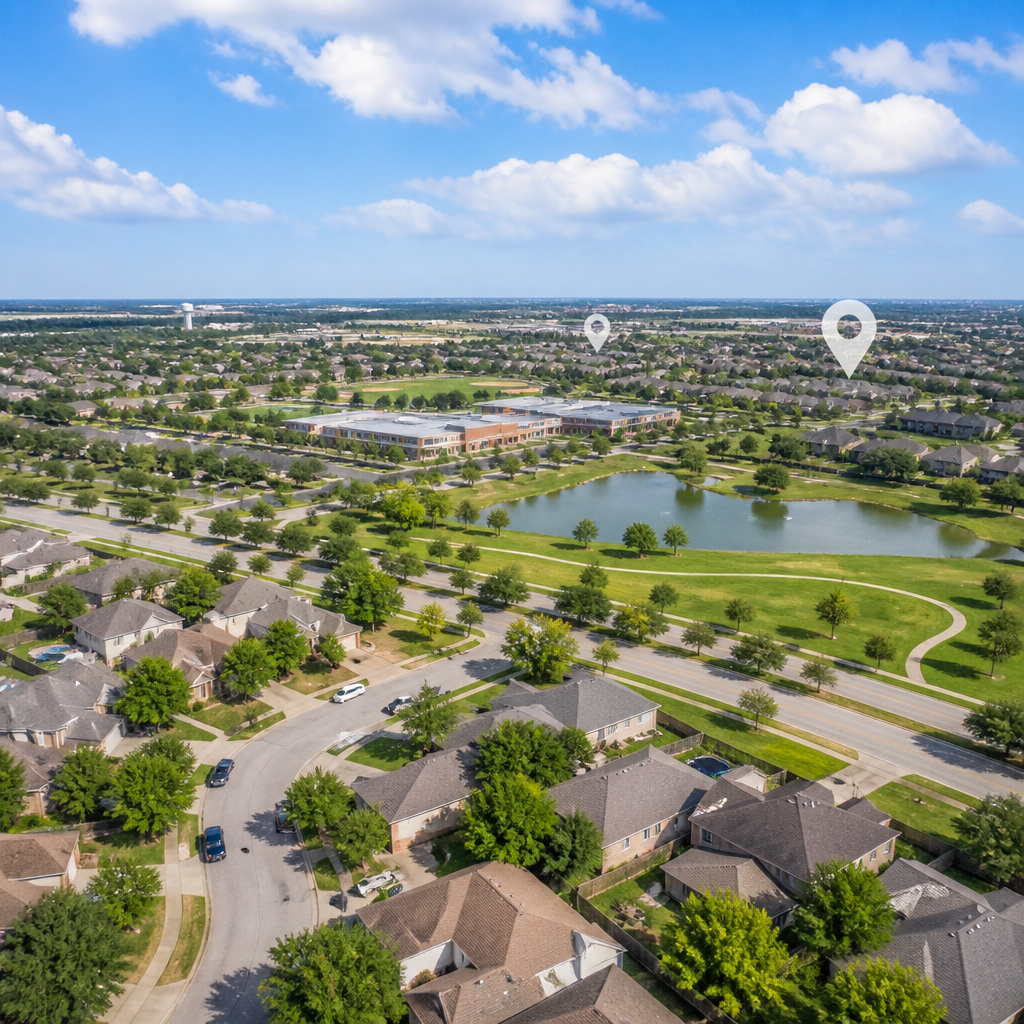
Katy Neighborhood Guide: Exploring the Best Communities in 2026
Katy Neighborhood Guide: Exploring the Best Communities in 2026 Katy continues to attract households seeking strong schools, master-planned communities, and suburban convenience with metropolitan access. According to U.S. Census QuickFacts, the City of Katy’s population has grown into the range of 2
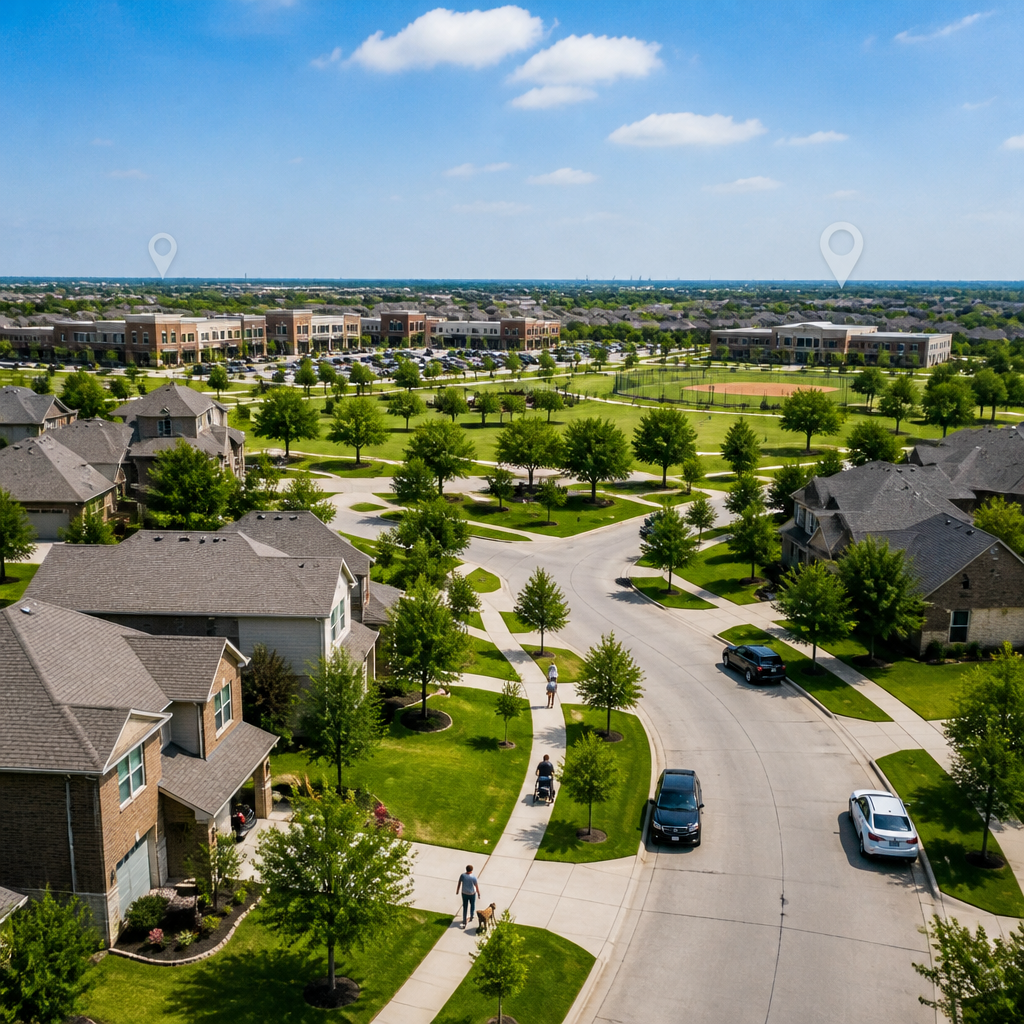
Moving to Katy, TX: Essential Tips for New Residents in 2026
Moving to Katy, TX: Essential Tips for New Residents in 2026 Moving to Katy TX in 2026 places residents in one of the Houston region’s fastest-growing suburbs, where planned neighborhoods meet strong schools and regional employers. According to U.S. Census QuickFacts, Katy’s population passed 21,000
How to Boost Your Single-Family Home’s Value Without Breaking the Bank
How to Boost Your Single-Family Home’s Value Without Breaking the Bank When it comes to increasing the value of your single-family home, you don’t have to take on massive renovations or empty your savings account. Sometimes, the most effective upgrades are the ones that blend practicality with a tou